Could Platner Win? Plus: Does Who Pays for a Poll Matter? The Polling Alley: Episode 5 Recap

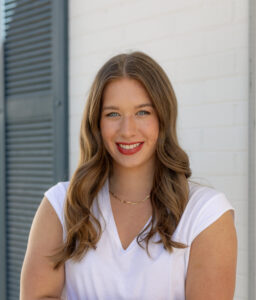
Picture of Olivia Michiels
Olivia Michiels

Poll Analyst
olivia@overtoninsights.com

Host Olivia Michiels is joined by Overton Insights Poll Director Mark Cunningham and Tactical Campaigns co-founder Michael Melendez to cover a Maine Democratic primary that's heating up, a notable Texas runoff poll, and a case study in how polling can be used as advocacy.  

Graham Platner Seems To Be Running Away with Maine

New polling shows Graham Platner, an oyster farmer with no political experience, leading incumbent Governor Janet Mills by double digits in the Democratic Senate primary. What’s even striking is in a general election head-to-head, Platner leads Susan Collins by nine points while Mills trails Collins by three. Cunningham called these general election numbers impressive and suggest that Platner may have a solid chance at winning.

Melendez attributed part of Platner’s strength to a broader rejection of incumbency and establishment figures, something he compared to the Bernie Sanders coalition that crossed over for Trump in 2016. Platner’s own scandals have not negatively impacted his numbers. Both hosts agreed the repeated, high-profile pursuit of Trump has substantially raised the threshold for what disqualifies a candidate today. In today’s Maine Democratic primary, it appears that being pro-Israel is more politically toxic than a Nazi tattoo.

Cunningham also predicted Mills drops out within two weeks, citing canceled debates, dwindling resources, and a deficit with no realistic path to recovery.

New Texas Republican Runoff Poll and What It's Actually Measuring

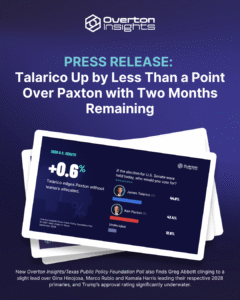
A GQR poll commissioned by the Democratic group, Senate Majority PAC, showed Ken Paxton leading John Cornyn by five points in the GOP runoff. Cunningham and Melendez treated the result with skepticism, not because GQR is a bad firm, but because the poll’s purpose is evident. Democrats have made it clear they want to see Talarico vs. Paxton and this is likely a tracking poll, but that these results were worth highlighting.

Melendez also flagged that the survey used live phone respondents over a 20-minute interview, a format he considers self-selecting and unrepresentative of normal voters. He also noted GQR is a Democratic firm with deep national party ties.

The bigger tell, Cunningham argued, was what the poll did not publish. A Democratic firm testing a Republican primary almost certainly also asked how both Paxton and Cornyn would fare against Talarico in the general. Those numbers were not released.

“I actually think that Paxton was losing to Talarico, Cornyn was winning, and they don’t want to show that because that’s going to encourage Republicans to go for Cornyn,” Cunningham said.

Despite the commissioned poll, Cunningham still favors Cornyn to win the runoff. He noted Paxton leads by about 65% on Polymarket, but believes the betting markets are not accurately capturing Cornyn’s support. He also tied the race to the SAVE Act, noting that Paxton has used Cornyn’s failure to support the bill as a primary contrast.

How a Push Poll Manufactures a Predetermined Answer

The episode’s most methodologically detailed segment focused on a Morning Consult survey conducted for a group called “Gambling is Not Investing.” The poll found that 81% of adults consider prediction markets to be gambling and 79% believe prediction market platforms should be required to provide problem gambling resources. It’s an interesting poll, and we recommend you check it out in it’s entireity.

Melendez walked through the question sequence in detail. The poll opened by asking respondents about their personal gambling habits, then moved through a series of questions framing prediction markets in the language of gambling. By the time it asked whether prediction markets should face the same regulatory requirements as licensed sportsbooks, respondents had been primed across 10 to 15 questions to associate the two.

“It’s not necessarily that any one question is phrased in a poor way,” Melendez said. “It’s the order in which they’re asked and how it draws you to the end.”

Cunningham argued the polling industry needs internal standards that make firms willing to turn down clients who want predetermined results dressed as research.

Episode 5 is now live. Tune in for accessible analysis and thoughtful conversation from the Overton Insights team.

Subscribe to @OvertonInsights on Youtube to watch the latest episodes as soon as they drop!

Related Blog Posts

Get Our Latest Poll Results Delivered To Your Inbox

Stay informed with the most up-to-date insights on public opinion. Be the first to know about shifting trends and key findings that matter to you.

This field is for validation purposes and should be left unchanged.